Solution
See More. Enter Less.
Inspect difficult or hazardous internal spaces while reducing unnecessary human entry, access preparation and operational disruption.
Flyability technology references
Indoor inspection technology used across industry.












Organisations featured by Flyability as users of its confined-space inspection drones. View technology references.
The Customer Challenge
Tanks, vessels, ducts, silos, pipelines, tunnels and other enclosed assets are difficult to inspect. Traditional methods may require scaffolding, rope access, confined-space entry and lengthy preparation. This increases exposure, consumes maintenance time and can extend shutdown windows.
How Birdseye Helps
Birdseye selects and operates the right remote inspection and sensing platform for the asset and the required information. We capture visual, thermal, thickness, spatial or environmental data while keeping people outside whenever practical. The result is structured evidence that inspection, engineering and maintenance teams can review and use.
What We Provide
- Visual and thermal inspection in difficult internal spaces
- Remote ultrasonic thickness measurement on suitable surfaces
- Light Detection and Ranging (LiDAR) and 3D reality capture
- Gas detection, radiation and specialized sensing where the approved configuration allows
- Geolocated points of interest and repeatable inspection records
Typical Assets and Environments
- Storage tanks, pressure vessels and cargo or ballast tanks
- Boilers, furnaces, kilns, ducts, stacks and chimneys
- Silos, bins, hoppers, chutes and stockpile spaces
- Pipelines, sewers, canals, tunnels and utility corridors
- Industrial halls, voids, pipe racks and difficult structures
What You Receive
- High-quality imagery and inspection video
- Annotated findings and geolocated points of interest
- Ultrasonic thickness readings and other approved sensor data
- Point clouds, spatial records and 3D context
- Structured inspection report for technical review
Value for Your Business
- Reduce unnecessary human entry, work at height and complex access preparation
- Shorten the time needed to understand asset condition
- Limit avoidable shutdown time and operational disruption
- Give maintenance teams clearer evidence for planning and prioritization
- Support safer work, higher productivity and stronger cost control
How the Work Is Delivered
We first define the asset, inspection objective, access constraints and required output. We then plan and complete the capture, check data quality, organize the findings and deliver the agreed report, imagery, measurements or 3D information.
Relevant Customer Stories
- Tank wall-thickness assessment with 84 recorded ultrasonic readings
- Flue-duct and silo-cone inspection using visual and ultrasonic data
- Stormwater-pipeline inspection without routine human entry
Discuss Your Inspection Challenge
Tell us what asset is difficult to enter, see or measure. We will help define a practical inspection approach and the information your team will receive.
Related capabilities
Build the right delivery scope.
Capabilities are selected around the information your team needs.
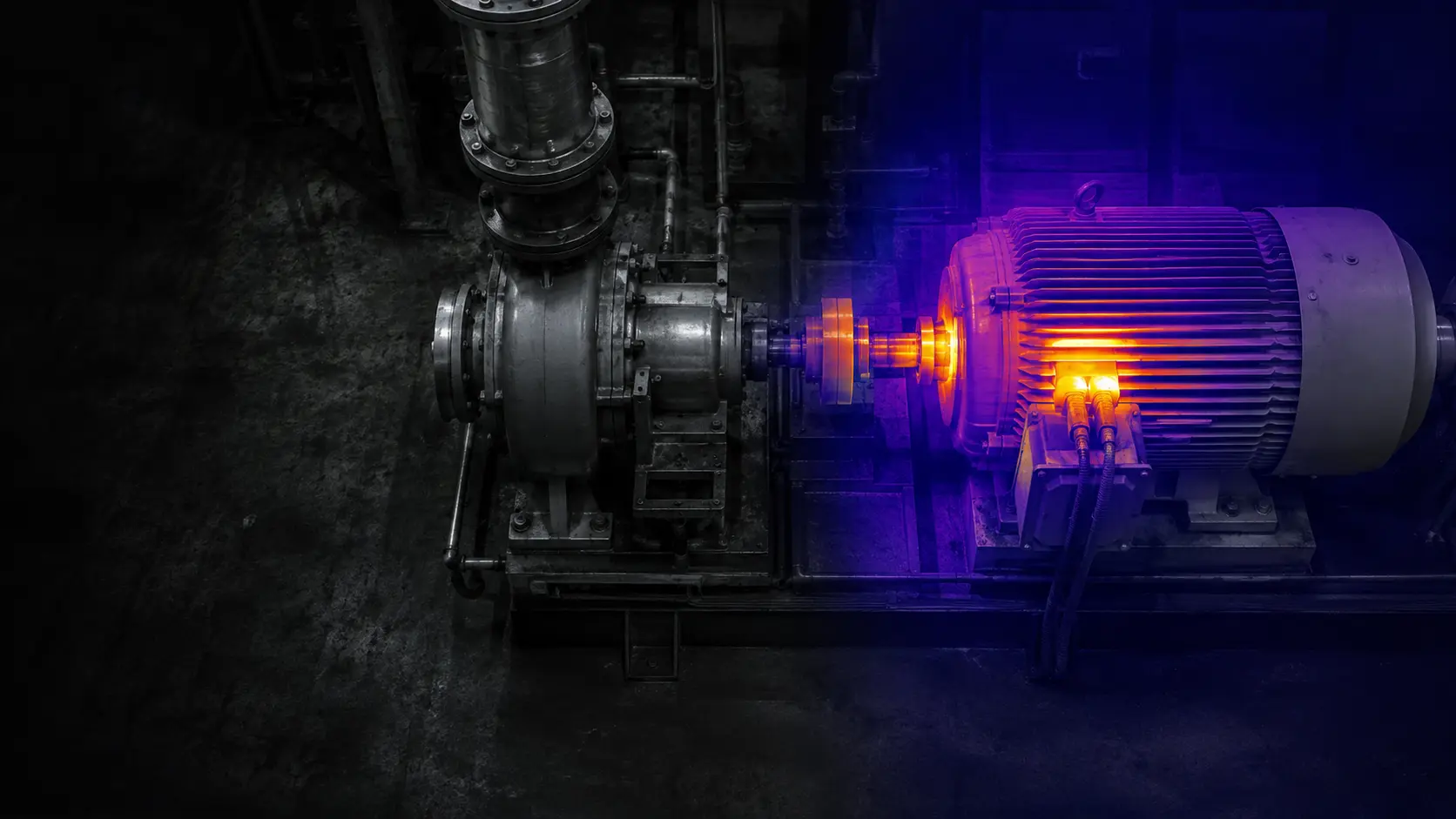
See Surface Condition and Thermal Behaviour More Clearly
Birdseye combines high-quality visual and thermal capture to help teams identify visible concerns and temperature patterns in difficult locations.
Explore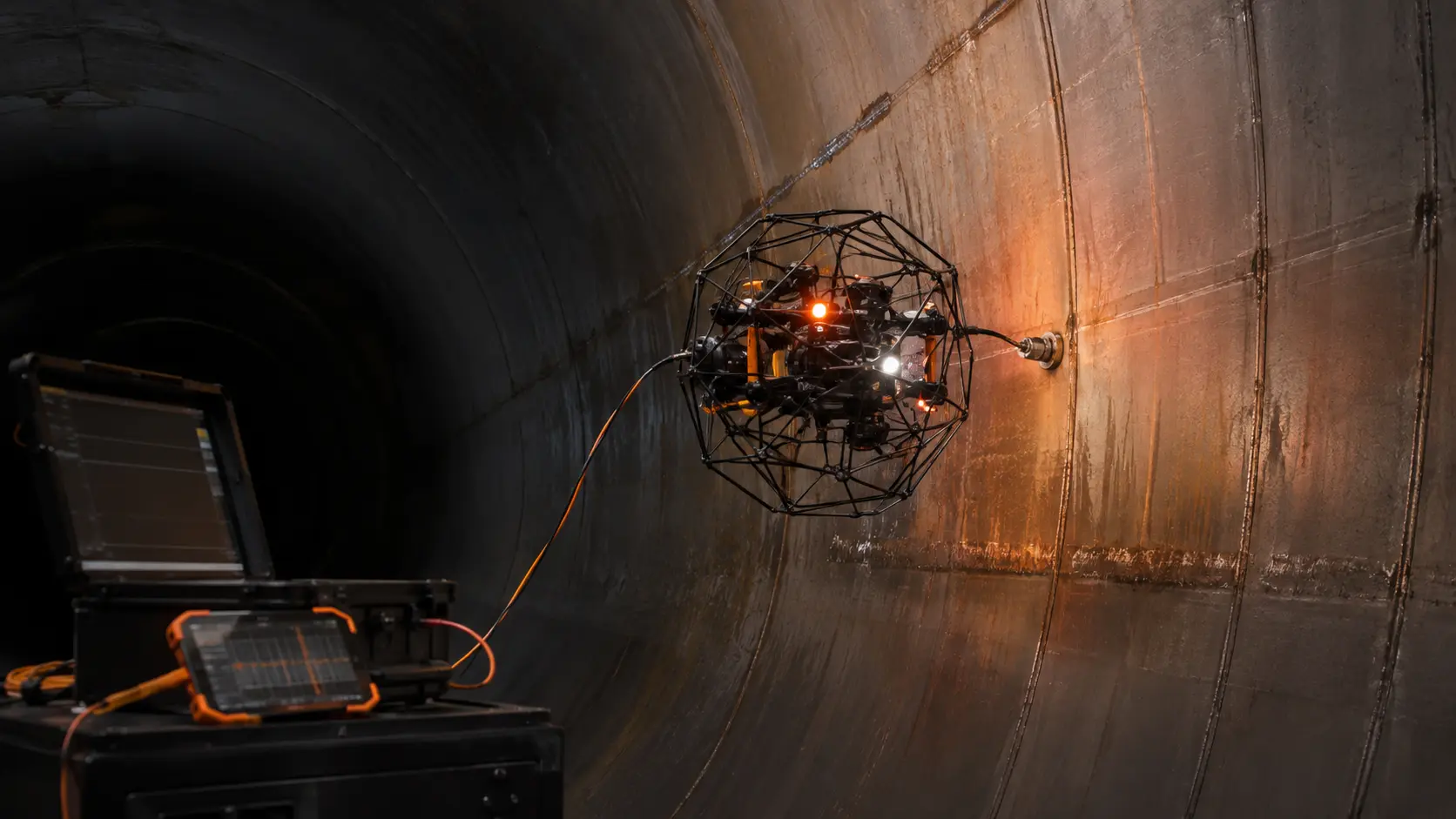
Collect Thickness Data with Less Difficult-Access Work
Birdseye supports ultrasonic thickness measurement in suitable remote-access locations, combining readings with visual and spatial context.
Explore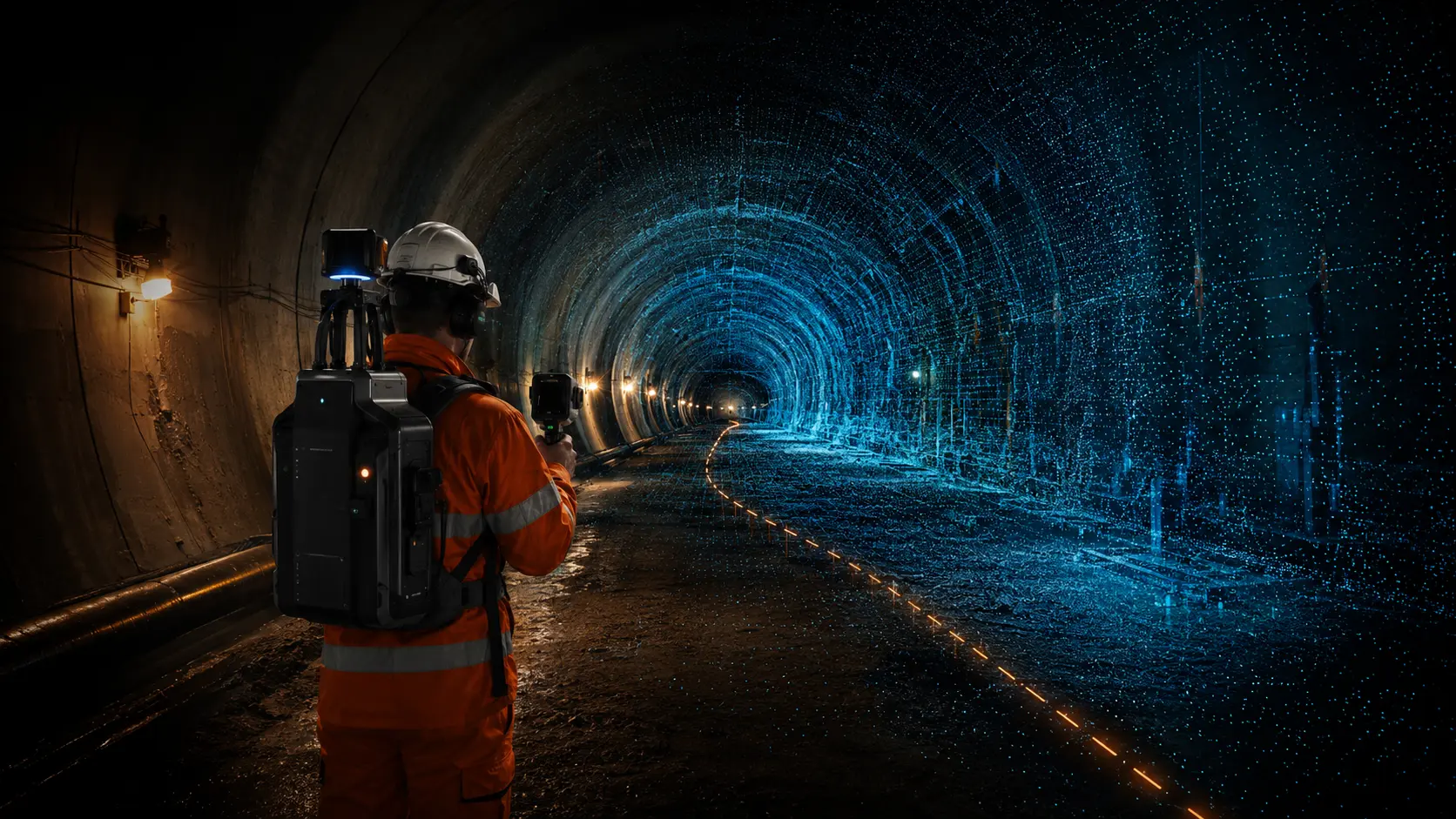
Capture 3D Reality Where Satellite Positioning Cannot Reach
Birdseye uses Simultaneous Localization and Mapping (SLAM) to create spatial records in buildings, tunnels and difficult internal environments.
Explore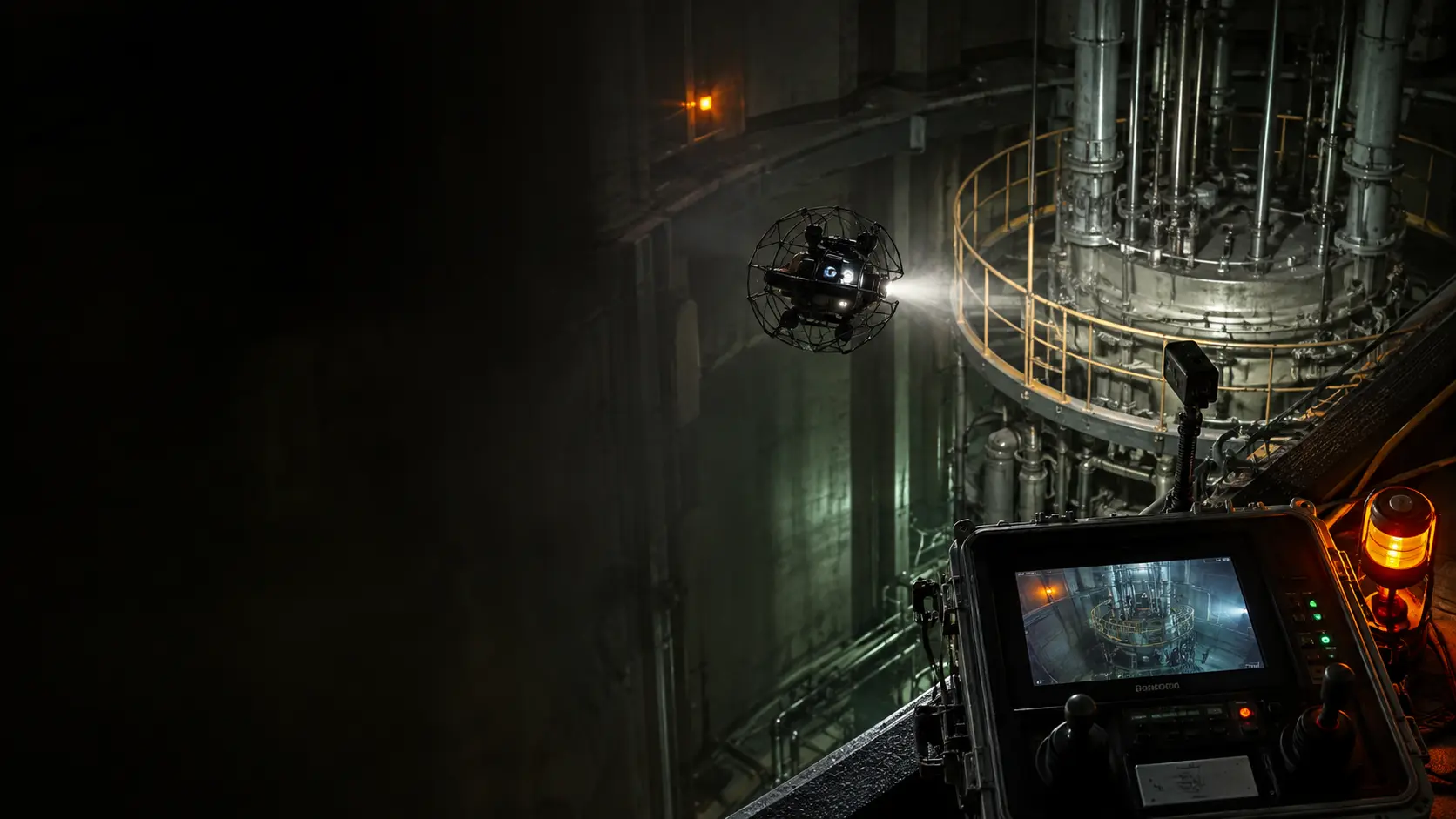
A Proven Platform Inside a Complete Birdseye Inspection Service
Birdseye uses Elios 3 where its collision-tolerant design, visual payload and LiDAR capability fit the customer's asset and inspection objective.
ExploreYour asset. Your decision.